How many reviews does a local business need? And why recent ones matter
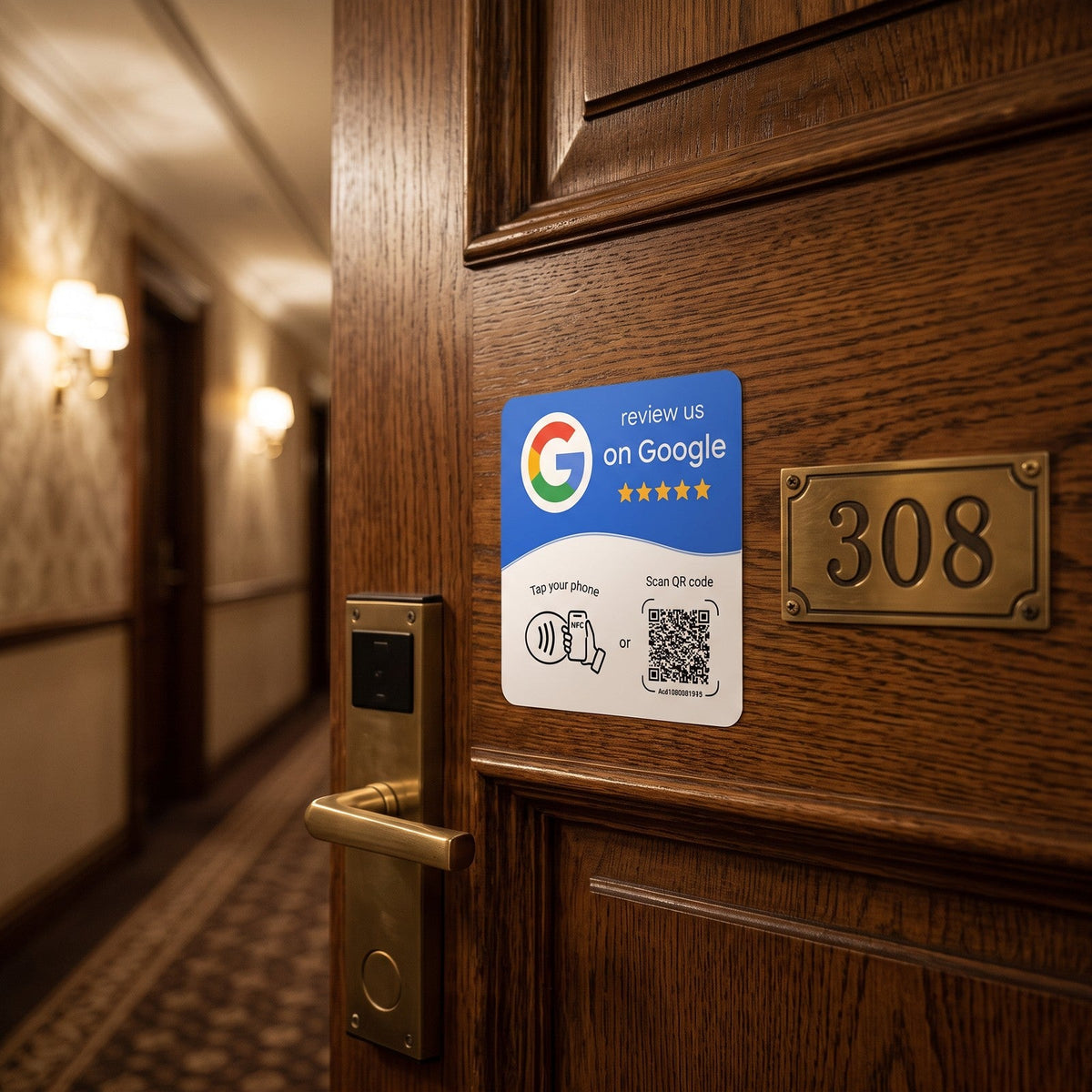
“How many Google reviews do I need?” is one of the questions we get asked most. The honest answer is that there’s no magic number. Google doesn’t publish a figure above which you climb on the map, and anyone who promises you one is guessing. What we can explain is what Google and your customers look at, how to work out a reasonable figure for your case and why recent reviews are worth more than old ones.
What Google takes into account
According to its own documentation, Google ranks local results by three main factors:
- Relevance: how well your profile matches what people are searching for (categories, services, description).
- Distance: how close you are to the person searching or to the place searched.
- Prominence: how well known your business is. This includes, among other things, the number of reviews and their rating.
In other words, reviews matter, but they’re not the only thing. A profile with lots of reviews and the wrong category may not show up for the search you care about. That’s why it pays to work on both: the profile and the reviews. There’s a guide for the first in how to optimise your Google Business Profile.
What your customers look at
Customers don’t read algorithms, they read your profile. And in a few seconds they notice:
- The average rating. But a 4.9 with seven reviews builds less trust than a 4.6 with three hundred.
- The number of reviews. It makes the business feel well known and the rating reliable.
- The date of the latest reviews. If the most recent is a year old, the customer wonders whether the business is still the same or even still open.
- How you reply. Especially to negative ones.
How to work out your target number
Instead of looking for a universal figure, compare yourself with your competitors in your area:
- Search Google Maps for your main activity in your neighbourhood or city, the way a customer would (“hair salon [your neighbourhood]”).
- Write down the number of reviews and the rating of the top three results.
- Check when their last review was and roughly how many they’ve received in the last three months.
- Your reasonable target: get close to the number of the third result and, above all, receive reviews at a similar or faster pace.
That exercise gives you a figure tailored to your sector and your city, which is the only thing that matters.
Why recent reviews matter
For the customer
A review from three years ago talks about a different team, a different menu or different prices. Recent ones describe what they’ll find today. Many users sort reviews by “Newest” precisely for that reason.
For your rating
If you went through a bad patch and piled up negative reviews, the only legitimate way to offset them is to get new reviews from current customers. With a steady flow, old negative reviews are put in context.
For your profile
A steady trickle of reviews tells anyone looking at the profile that the business is active. One or two reviews a week all year round is better than forty in one month and then nothing; besides, a sudden spike can look suspicious.
How to get a steady (and legitimate) pace
- Ask everyone, always the same way. Google doesn’t allow you to filter for happy customers or to offer incentives.
- Make it easy in the moment. An NFC plate at the till or an NFC card for each team member turns the request into a single tap of the phone.
- Turn asking into a routine. A set phrase when taking payment, the same for everyone.
- Reply to every review. It encourages others to write.
- Measure. In the Tocky dashboard you see each plate’s taps and get a notification for every new review plus a monthly report. That way you know whether the pace is holding.
What you shouldn’t do to “hit the number”
- Buy reviews or use services that post them for you. It breaks Google’s policies, can lead to reviews being removed and restrictions on your profile, and in the European Union fake reviews are an unfair commercial practice.
- Ask family or employees to write reviews.
- Offer discounts, giveaways or gifts in exchange for reviews.
- Ask only the customers you think will give five stars.
An extra push: the Tocky League
If competing motivates you, the Tocky League publishes a monthly ranking by city based on the real activity of businesses with a Tocky plate. The table resets every month, so a small but consistent business has a chance of being at the top. Each city’s champion shows the trophy on its directory listing, and we’ll announce the prizes soon. Everyone also appears in the public business directory.
Start building your pace
Do the comparison with your three competitors today, set yourself a realistic weekly goal and put the request one tap away. A Tocky card costs €8.90 and a plate €14.90, with no fees; from 3 units you get an automatic 10% discount and shipping is free from €29. See products.
Frequently asked questions
Is there a minimum number of reviews to appear on Google Maps?
No. You can appear with no reviews, although with more reviews and a complete profile your business gains prominence and trust.
Is it better to have a 5.0 rating?
Not necessarily. A perfect rating with few reviews can seem less credible. A high rating with many reviews and the odd well-answered criticism usually builds more trust.
How often should I get reviews?
It depends on your number of customers. What matters is having recent reviews every month.
Do old reviews disappear?
No, they stay on the profile. But customers give more weight to recent ones.
The NFC plate that opens your Google listing when a phone gets close. Cards from €8.90 and plates at €14.90, free shipping from €29.
See plates and packs